Our Farm — Where Meaning and Purpose Happen
A Farm Community Built Around Purpose
In 2010, a group of parents in Kalamazoo County asked a simple question: what happens when school ends? Their sons and daughters — adults with autism and other developmental differences — would soon age out of the education system. Special education is mandated under federal law, but after graduation, many families find there are far fewer opportunities and supports available. . Existing programs could not meet the growing need for continued support, meaningful activities, and opportunities for skill-building. Many faced a future with limited opportunities for social connection, growth, and purposeful daily engagement.
So the parents started planning. In 2011, AACORN Farm, Inc. was established with a mission to provide life enrichment opportunities and residential options for adults with developmental differences in a supportive, inclusive community. By the summer of 2013, AACORN had received its nonprofit status and opened a program at Tillers International in Scotts, Michigan. Three young adults spent their days learning animal care, gardening, and outdoor teamwork, and more were soon added. Dr. Liz Farner, who had years of experience delivering farm therapy for young people, joined as program director and brought a hands-on approach, engaging participants with animals and the surrounding farm.
Growth came fast. By 2014 AACORN had moved to larger leased property and expanded to four days a week, serving fifteen to twenty adults. The program expanded to welcome adults with a wide range of intellectual and developmental differences, reflecting AACORN’s commitment to building an inclusive community. Skill-building activities became a focus as culinary activities, sewing, and making goat milk soap joined the daily routine. Participants began connecting to the wider community too, delivering fresh eggs and hand-tied fleece blankets to Kalamazoo’s YWCA and donating herbs to local restaurants. Additional staff, college interns, and volunteers came on board.
In the summer of 2018, AACORN purchased a 40-acre farm from Tillers International and moved onto the property that December. The farm sits in Pavilion Township near Scotts, between Kalamazoo and Battle Creek, and includes the new Dr. Liz Farner Activities Building, completed in 2020, which keeps programming running through every Michigan season. What began with a few families and a question has become a working farm where dozens of adults find purpose, friendship, and a place to grow.
Life Across the Farm
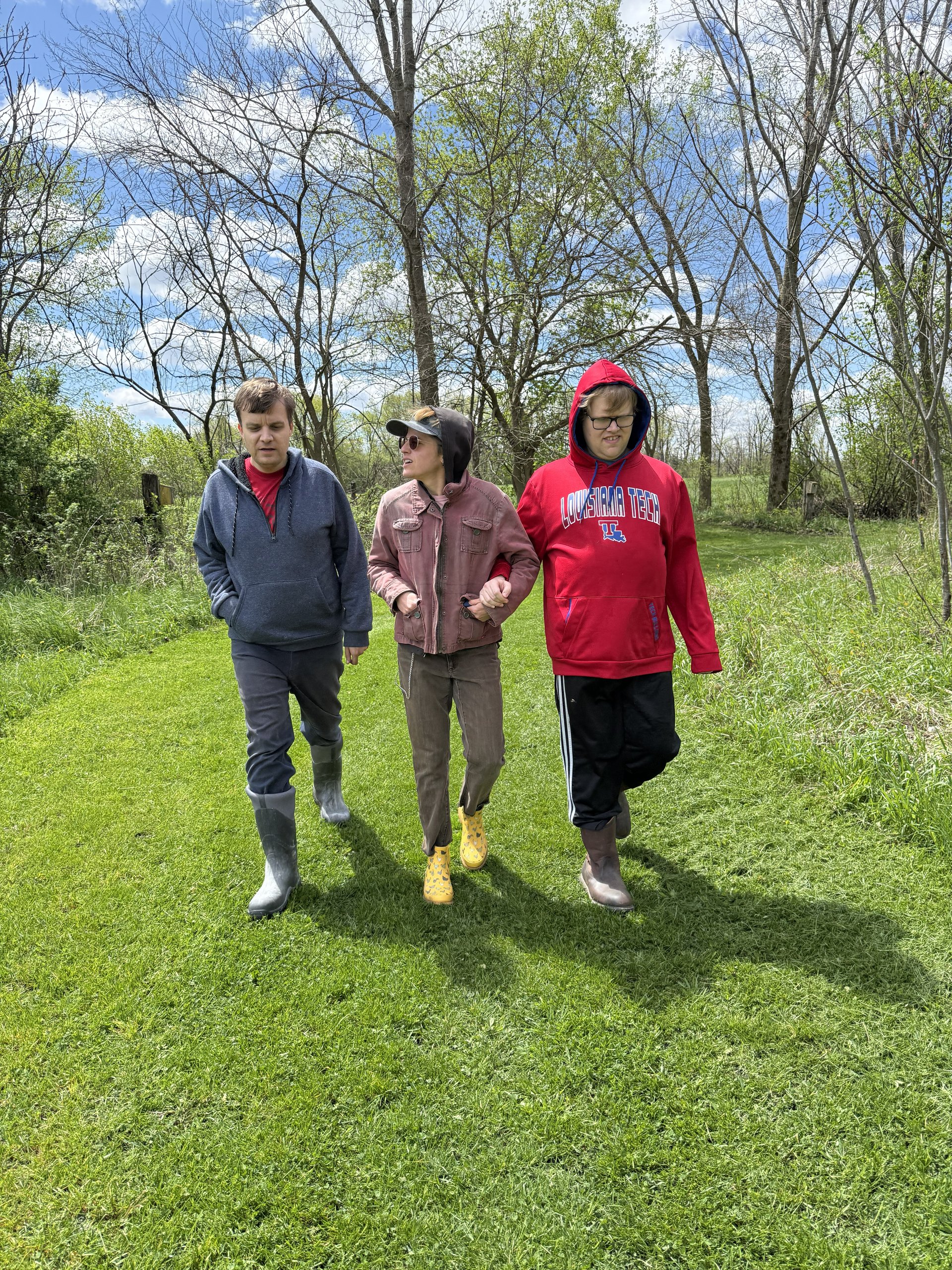
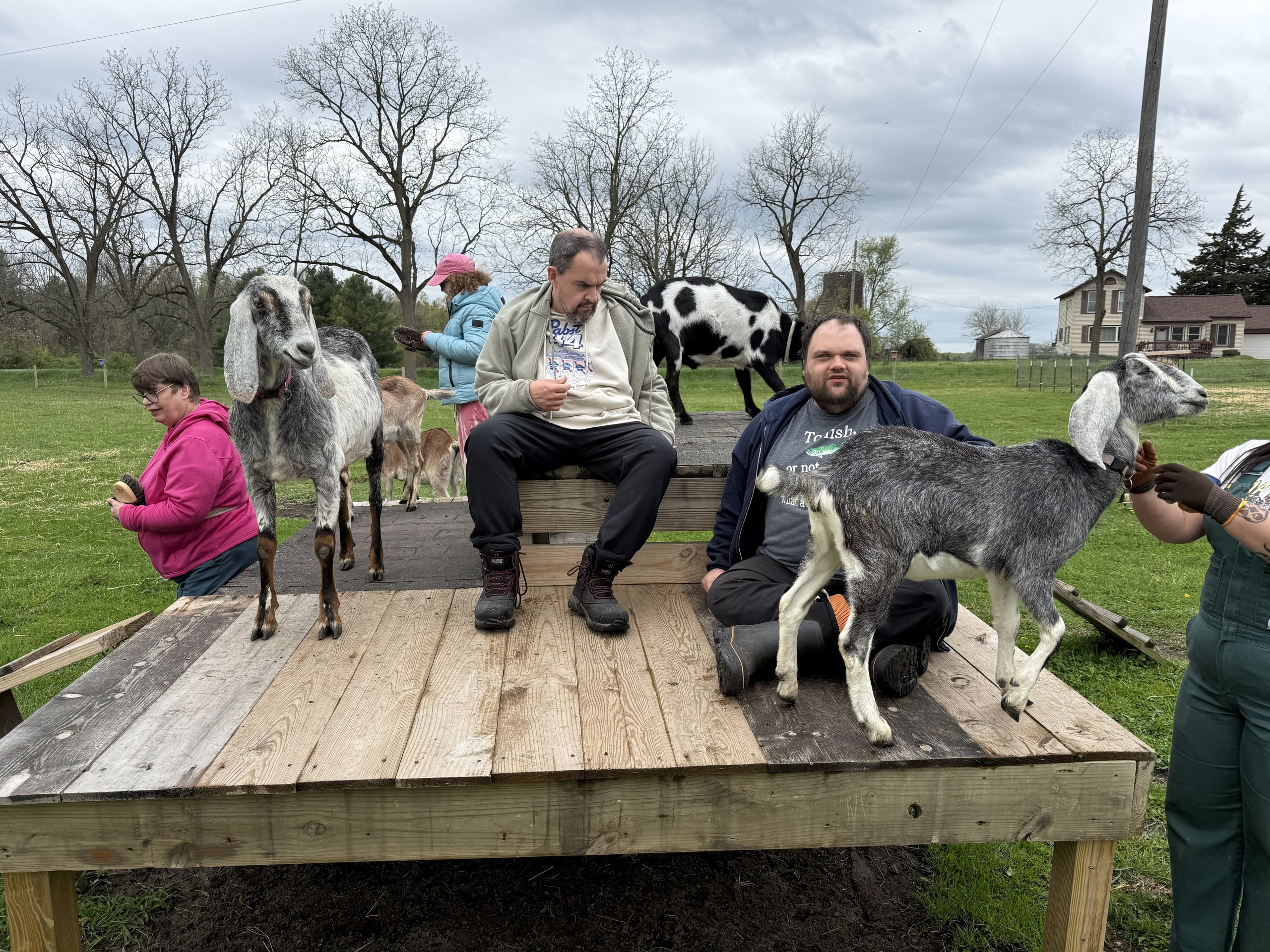
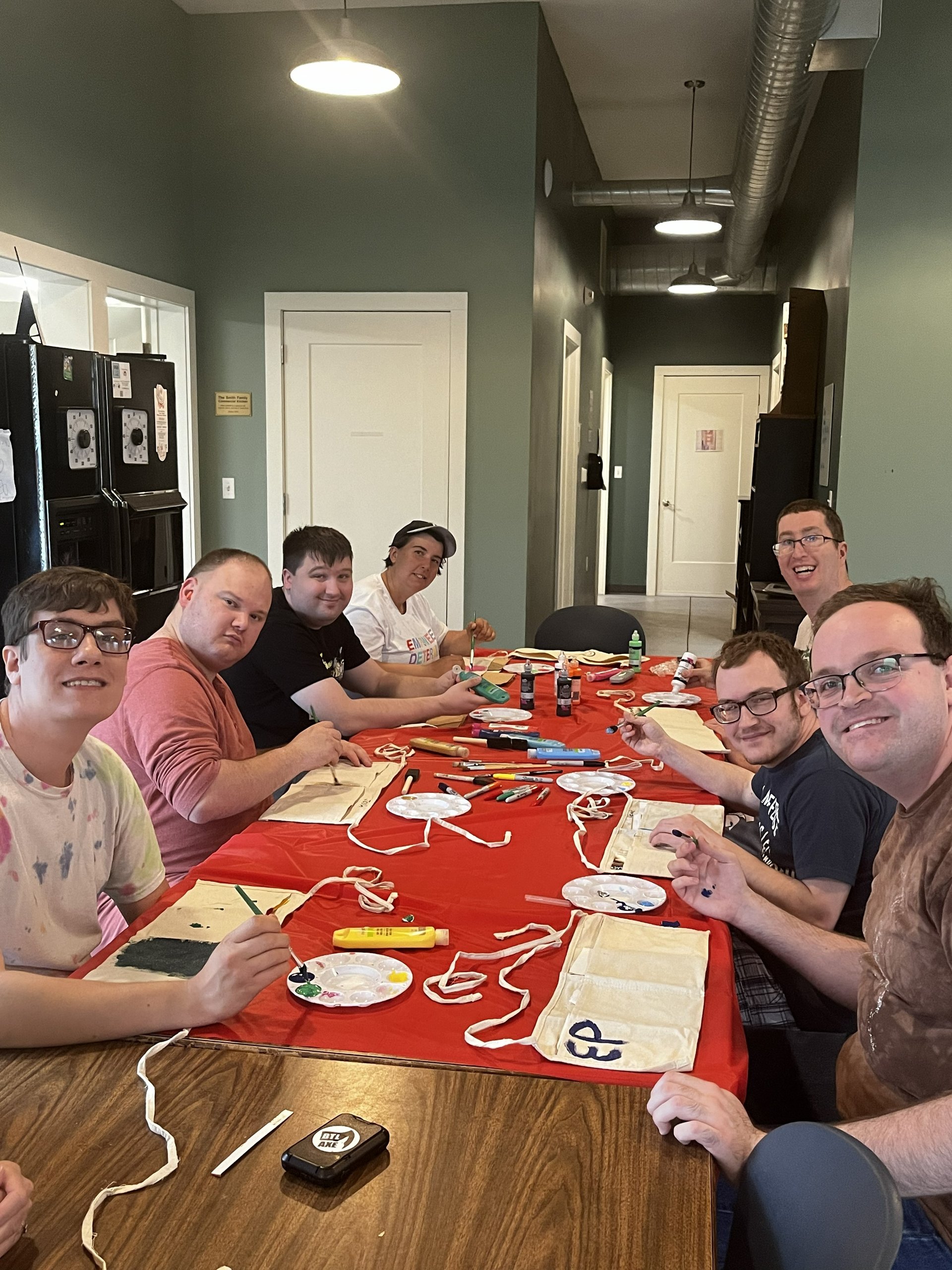
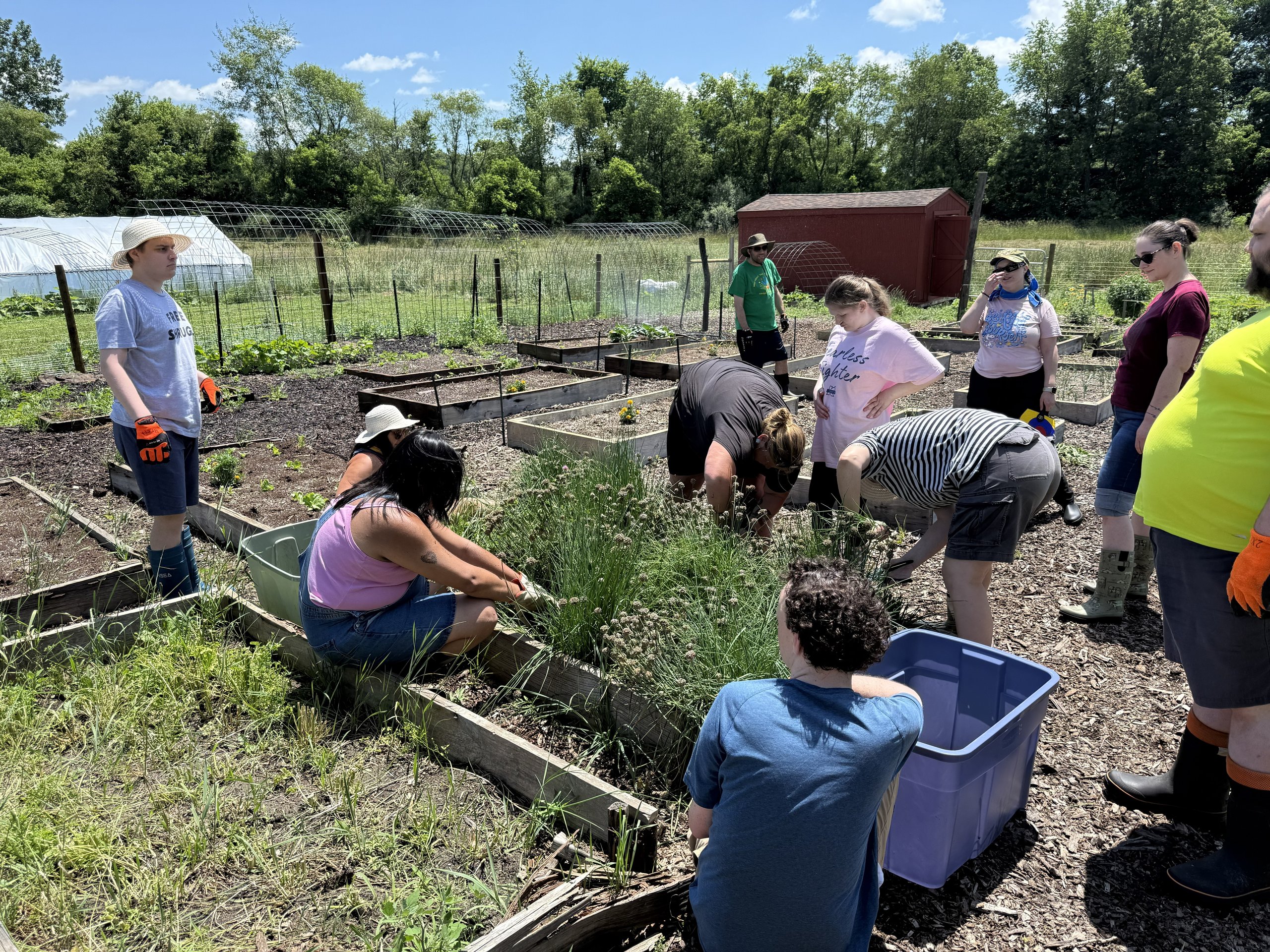
The AACORN farm covers 40 acres of open fields, gardens, animal areas, and gathering spaces in rural Kalamazoo County. The setting is intentionally calm, offering room to explore, connect, and participate at a pace that feels comfortable.
A typical morning starts with animal chores. Participants feed goats, collect eggs, check water, and groom the animals they have come to know by name. The gardens shift with the seasons — planting in spring, weeding and harvesting through summer, putting beds to rest in fall. Inside the Activities Building, the day might include arts and crafts, cooking together in the kitchen, or making goat milk soap and other products sold in AACORN’s storefront area.
The farm runs on routine, and that matters. Animals need care every day, gardens need tending, and projects need helping hands. Participants are encouraged to engage at their own pace, with opportunities ranging from quiet observation to active, hands-on involvement. What begins as standing near a goat can grow into feeding, grooming, and eventually milking the goat.
Staff work alongside participants every day — feeding, cleaning, encouraging — meeting each person where they are. The work is real, it is needed, and participants know it.Caring for shared spaces is part of daily life on the farm, and everyone contributes in ways that are meaningful to them.
Visitors are welcome by scheduling a tour to see the farm and meet the people and animals who make it work. We would be glad to show you around.
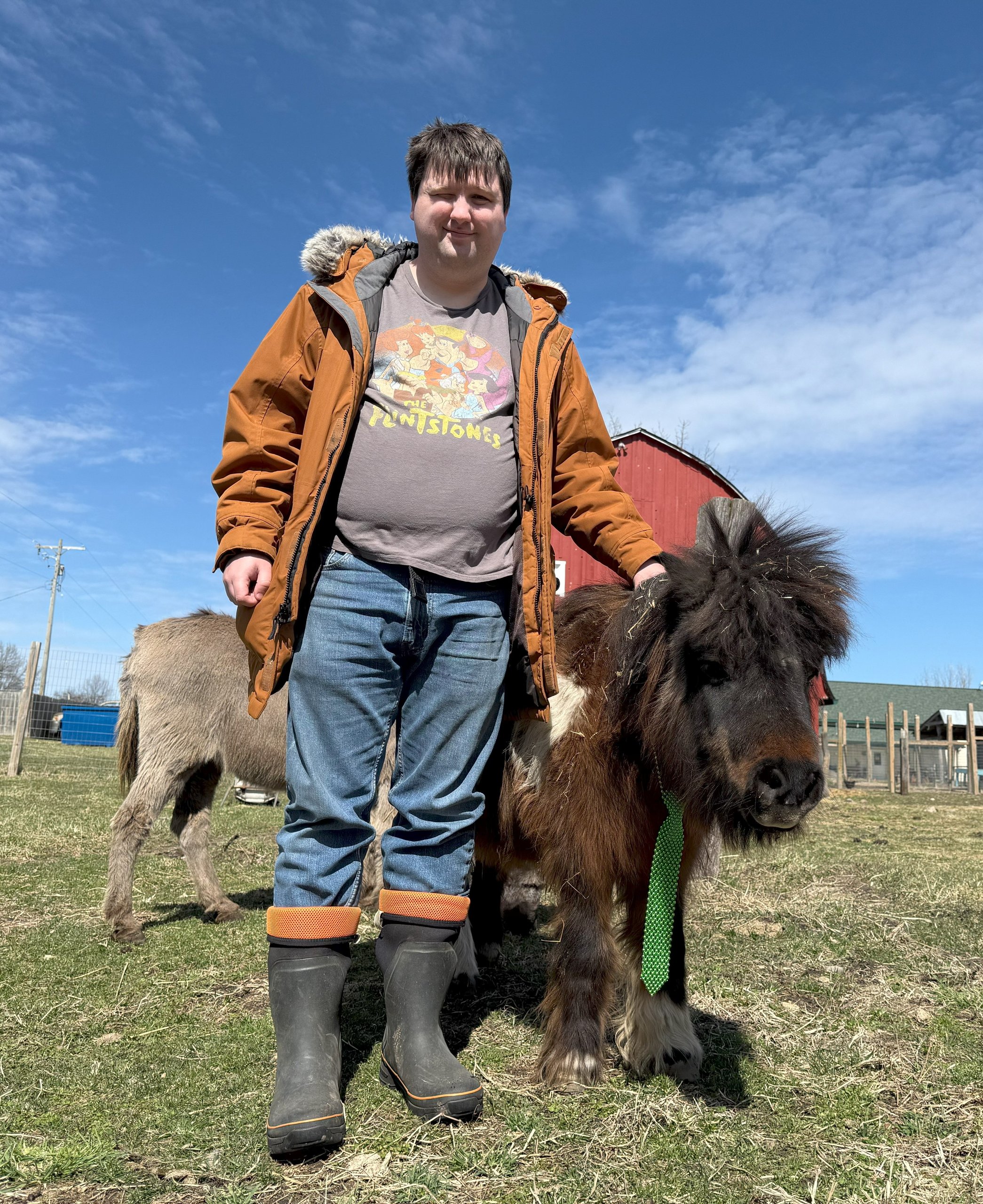
Scenes from the Farm
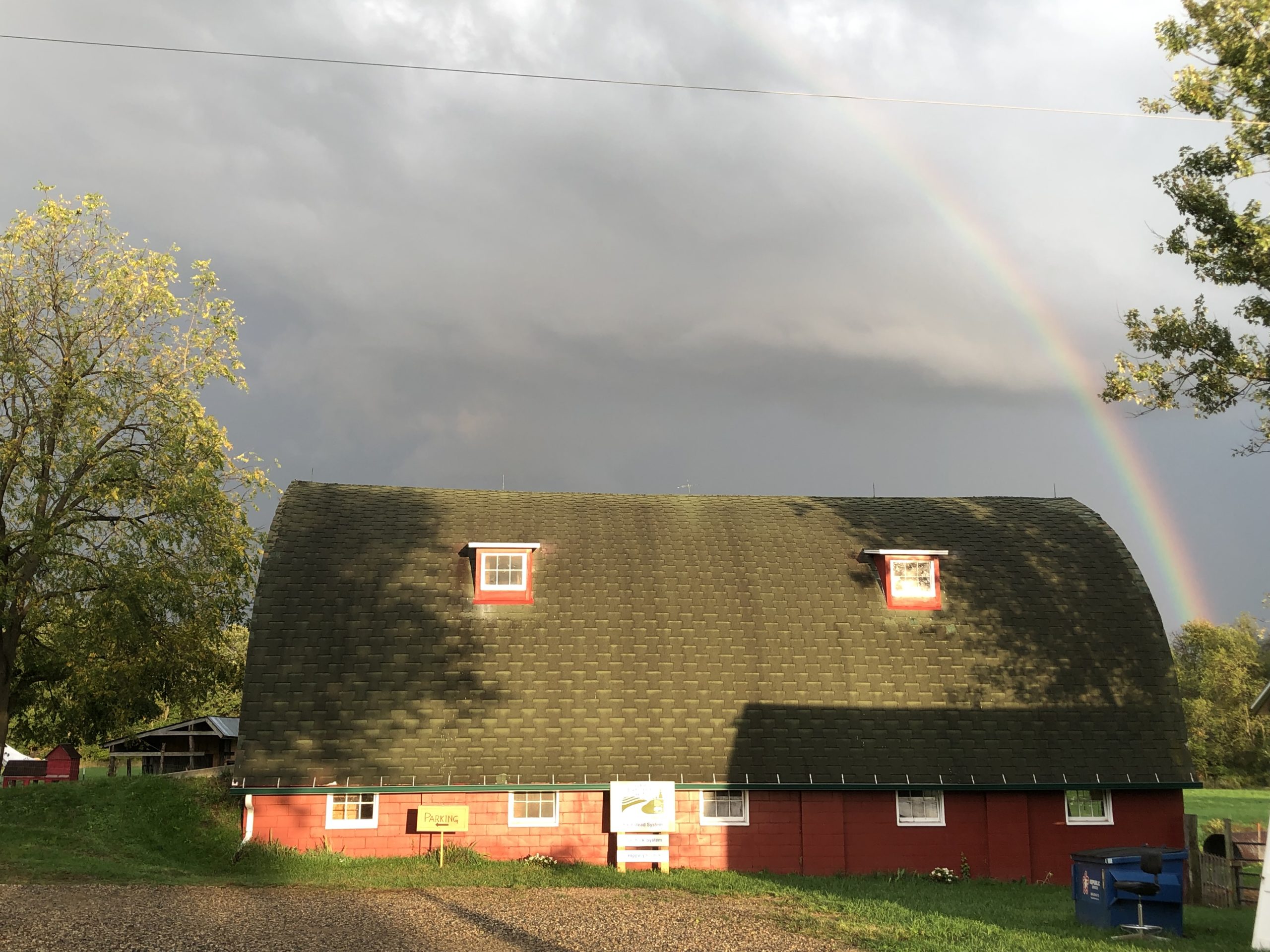
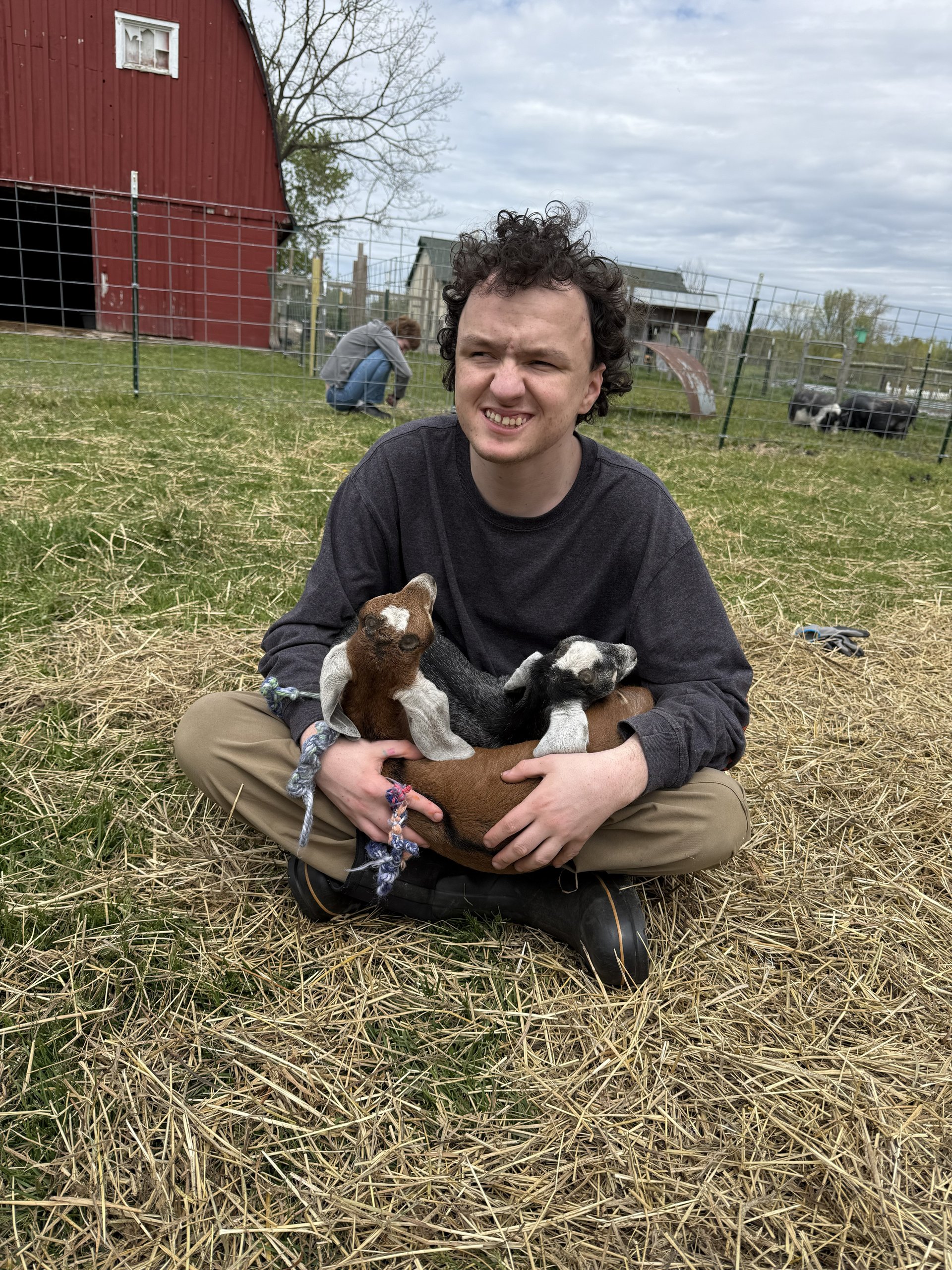
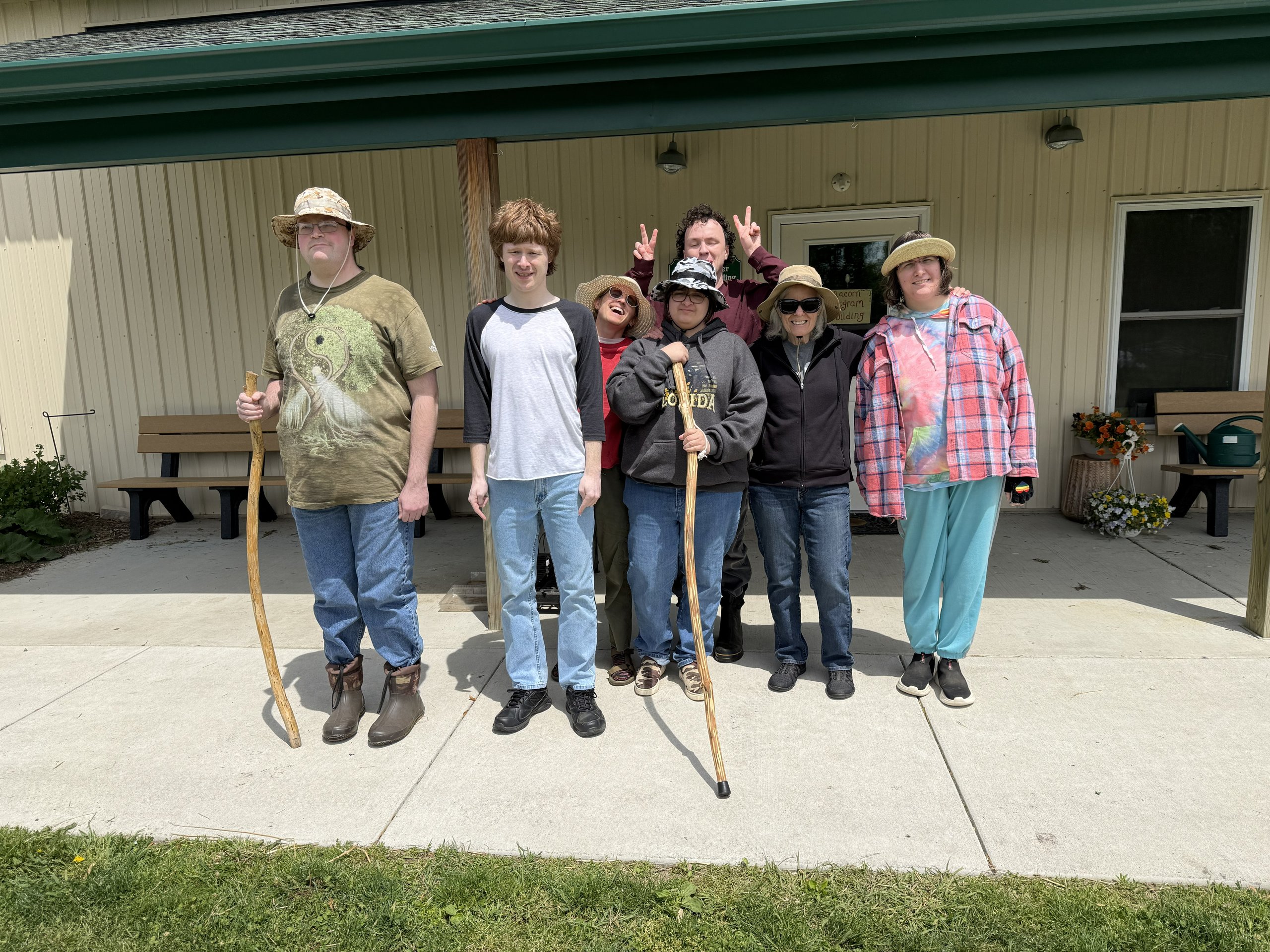
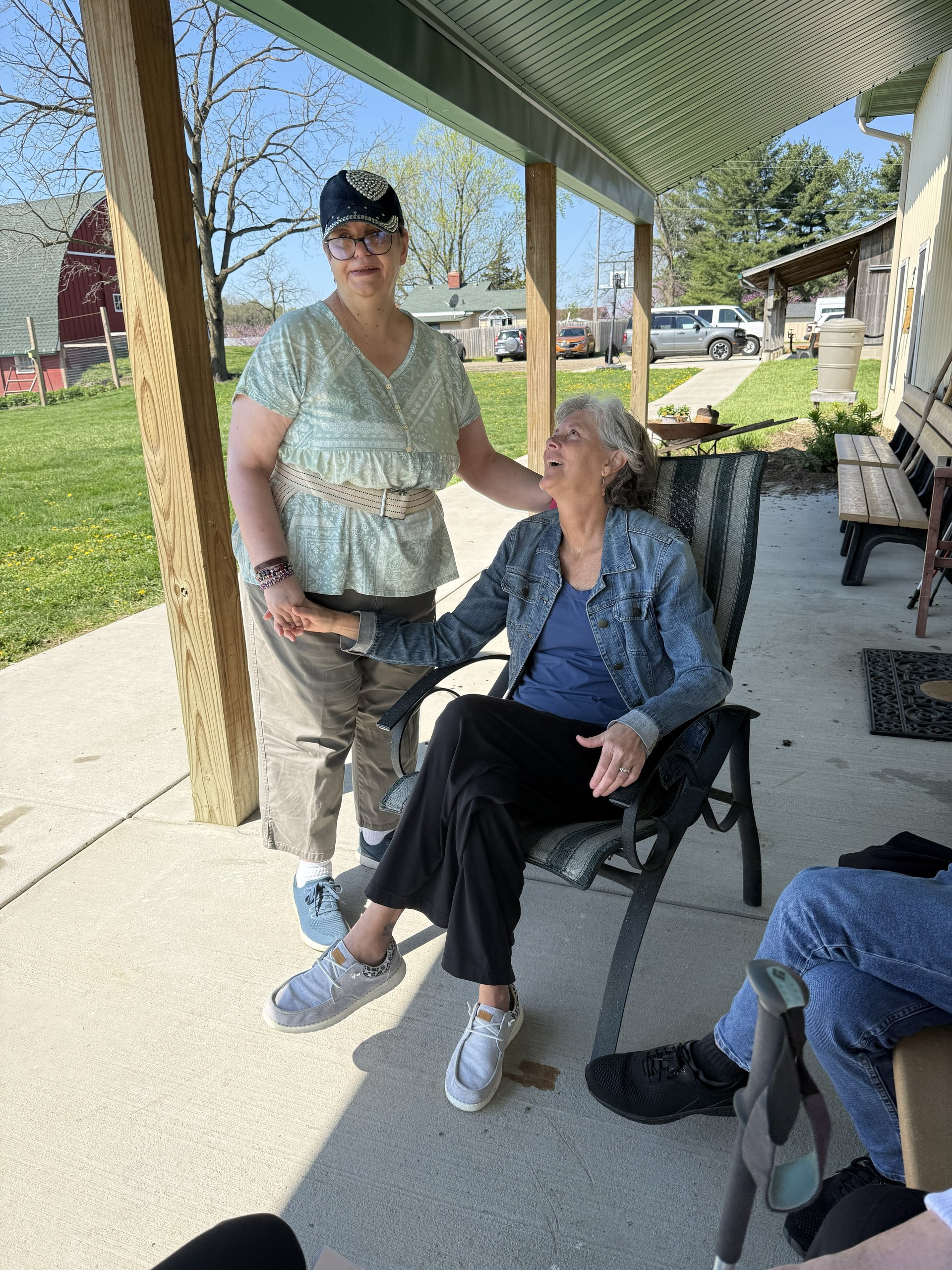
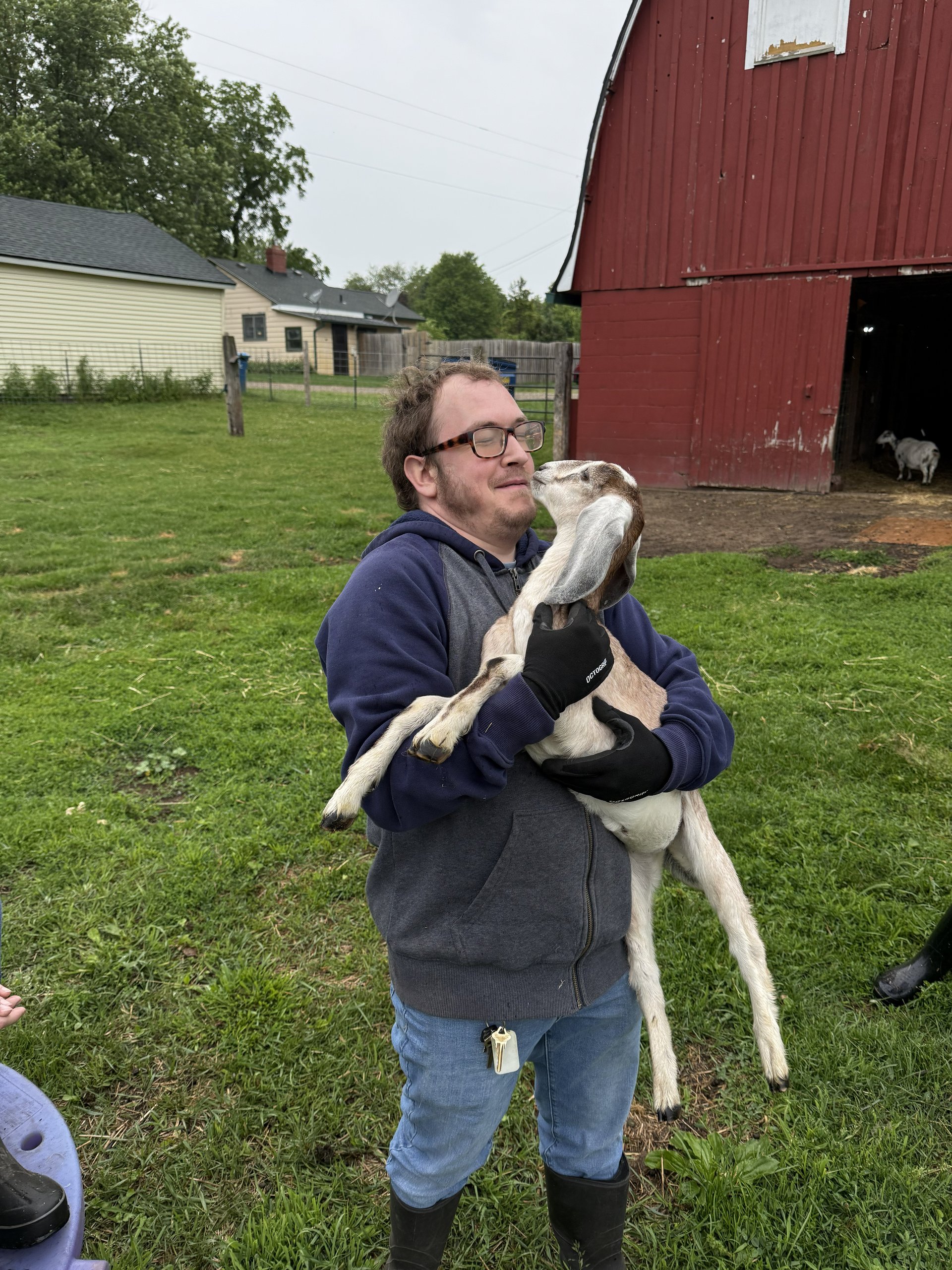
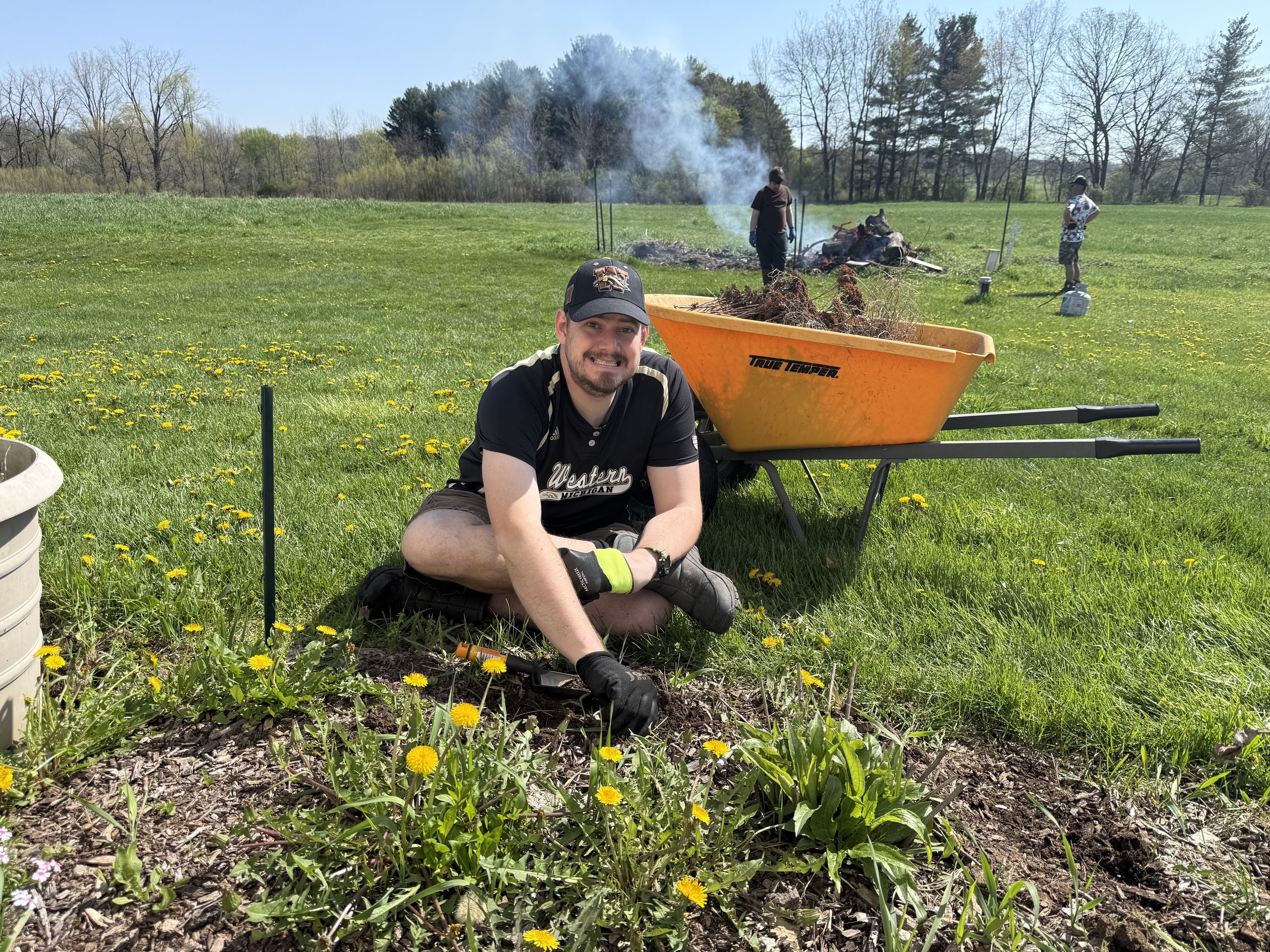
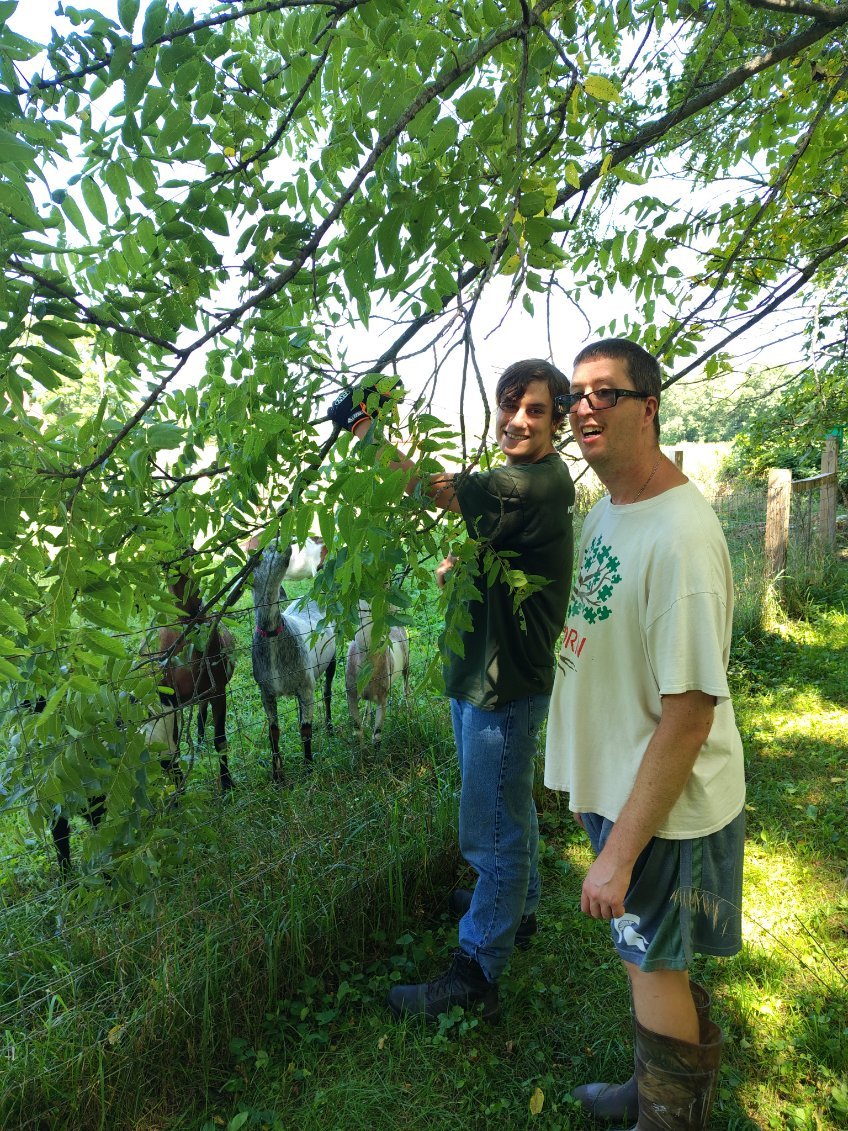
Honoring Our Roots. Building Our Future.
From the beginning, AACORN was envisioned as more than a day program. The organization’s name—Adult Agricultural Community Option for Residential Needs—reflects the founding families’ hope for a community where adults with intellectual and developmental differences could live, learn, and belong. They imagined homes connected to the farm, where people could know their neighbors, share gardens, gathering spaces, and everyday experiences, and build meaningful lives rooted in both independence and connection.
The skill-building program came first because the need was immediate. Adults with intellectual and developmental differences needed opportunities for meaningful activity, relationships, and a community where they felt comfortable and valued. AACORN’s quiet rural setting, predictable routines, and supportive environment offered something different. Over time, participants built skills, gained confidence, formed friendships, and demonstrated what is possible when people have opportunities to contribute and belong.
The vision for residential living remains an important part of AACORN’s future. As our community has grown, so has our understanding of what it means to create opportunities for people to live with purpose, build lasting relationships, and remain connected to a community where they are known and valued. The next chapter of AACORN’s story is guided by that same vision—creating a community where adults with intellectual and developmental differences have opportunities to live, learn, contribute, and belong.
People Who Make AACORN Possible
AACORN is run by people who show up—in the barn, in the kitchen, and in the mud when the season calls for it. Staff work directly alongside participants every day, feeding animals, leading activities, and building the kind of trust that comes from doing the work together. Those shared experiences foster positive relationships, mutual respect, and a sense of purpose that is at the heart of life at AACORN.
AACORN’s team brings together experience in agriculture, education, disability services, communications, project management, and nonprofit leadership. Staff work side by side with participants each day, creating opportunities for lifelong learning, self-advocacy, and personal growth.
AACORN’s board of directors brings together individuals who share a commitment to the organization’s mission and long-term success. With leadership that includes both founding voices and new perspectives, the board provides strategic direction, oversees financial stewardship, and works to ensure that resources are used responsibly in support of AACORN’s participants and programs.
Staff are versatile by necessity. Any given day might find them with boots in the mud helping clean out stalls, teaching a craft project, or supervising the making of goat milk soap. Through these everyday experiences, participants build confidence and perseverance, practice healthy living, care for the environment through responsible farm stewardship, and experience the value of community service.
Board Officers
Liz Farner, President
Hilary Dolbee, Treasurer
Cindy Semark, Secretary
Board Members
Athens Love
Larry Schimmel
Sarah Thomas
Jeanne Trompeter
Sabrina Witbeck
Staff
Liz Farner, Interim Executive Director
Mary Pickett, Director of Communications and Community Engagement
Sam Meyers, Program Manager
Autumn Cieslak, Property Manager
Monica Barton-Cloutier, Assistant Project Manager
Leana Best, Program Staff
Sandelis Miller, Program Staff
Zach Russell, Program Staff
Elise Ripmaster, Administrative Assistant
Brian Cooley, Farm Assistant/Caretaker
Stewardship and Accountability
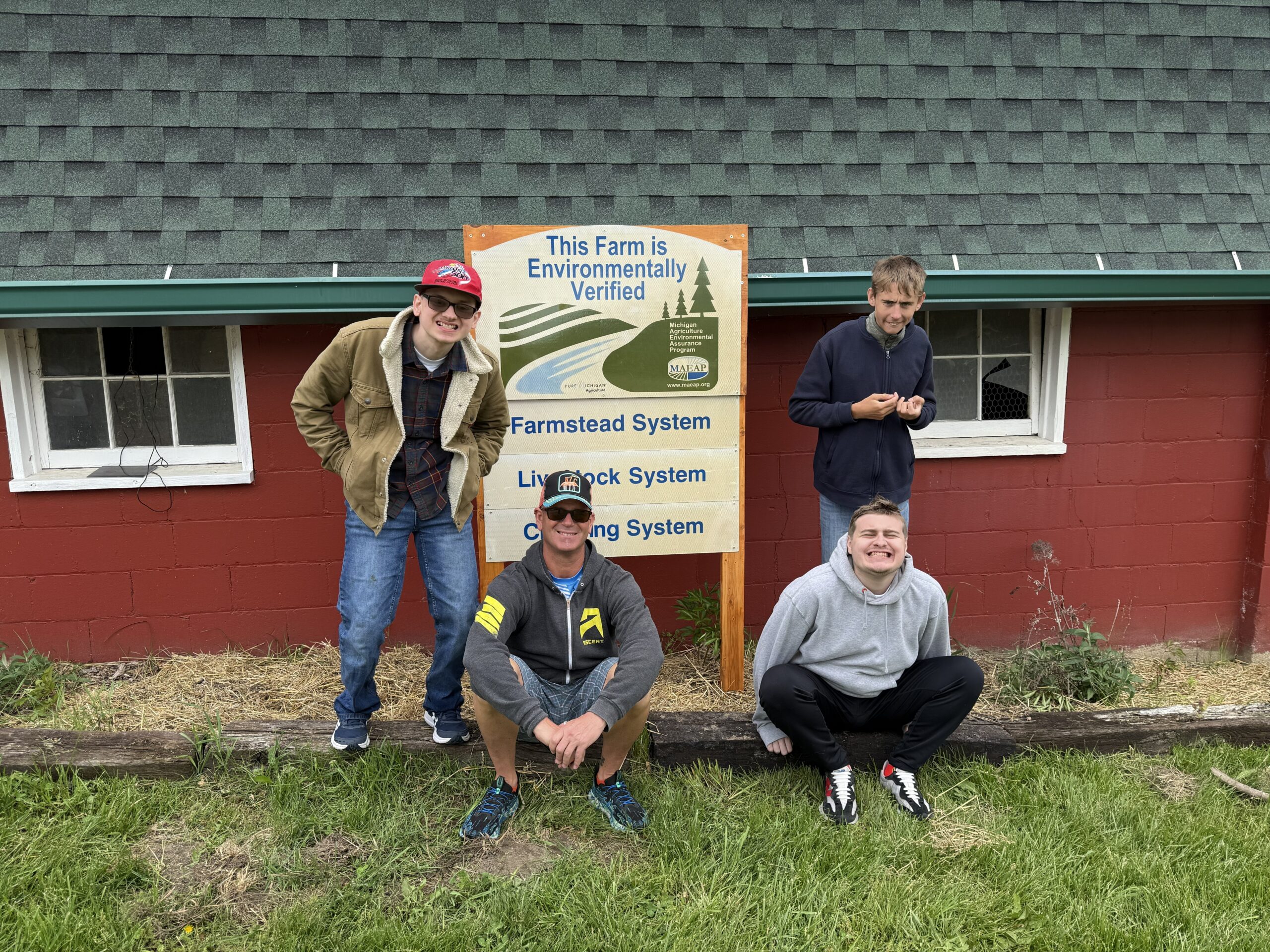
AACORN is proud to be recognized as an Environmentally Verified Farm through Michigan’s Agricultural Environmental Assurance Program (MAEAP). This voluntary certification reflects our commitment to environmentalism through responsible farming practices that protect our land, water, animals, and natural resources. As good stewards of our 40-acre farm, we believe caring for the environment is an important part of caring for our participants and our community. Environmental stewardship isn’t just something we value—it’s something we practice every day.
We also believe the people who support AACORN deserve to know how their generosity makes an impact. Each year we publish an annual report highlighting our programs, financial stewardship, organizational updates, and progress toward our long-term goals.
Our annual report helps keep participants, families, donors, and community members informed about AACORN’s work. It shows how resources are used, highlights the impact of our programs, and shares our priorities for the future. Additional financial and organizational information is available through our Candid (GuideStar) profile.
Download Annual Reports

Candid Platinum Seal of Transparency
AACORN holds the Platinum Seal because we believe transparency is the foundation of trust. View AACORN’s full Candid profile.
Come see the farm for yourself.
The best way to understand AACORN is to experience it. Visit the farm, meet the people and animals who make this community special, and see firsthand how connection, purpose, and belonging come to life each day.